
How Grief Can Influence Pain
Emotions can have a profound effect on our physical health, especially when it comes to physical pain.

Emotions can have a profound effect on our physical health, especially when it comes to physical pain.

If you have stubborn pain in a muscle, joint, nerve or your soft tissues - it’s highly likely to be mechanical pain. Mechanical pain is caused by factors relating to movement. It is the body's way of alerting us when healthy movement patterns are lost within body parts for an extended period of time.

It can be a little hard to swallow, but one of the most surprising truths about the biology of pain is that pain itself doesn't happen in the body. Pain very much feels like it’s in the body, we can all agree on that, but it doesn’t mean that it is. Sensory perception and scientific truth often don’t line up too neatly.

On 10 June 1963, U.S. press based in Saigon were informed that 'something important' would happen the following morning on the road outside the Cambodian embassy in Saigon. They were unsettled times, so that in itself was certainly nothing unusual. But what followed created an emotional shock wave that was felt on a global scale.

Pain, swelling, stiffness – our bodies often have specific ways of telling us when something is wrong. And when they do, it isn't always clear what we should do about it. Among the options are two simple, time-honored techniques, cold, and heat therapy. Understanding the distinction between these therapies, when to use them, and how they work can help empower us to address the various types of pain effectively.

Pain is not a disorder or a disease. And our relationship with pain is virtually as ancient as life itself because pain is a major part of what keeps us safe and alive. There's no question that the underlying physical conditions which lead to chronic pain cause untold suffering. That should never ever be diminished or disregarded. But the pain itself is just the body's way of signalling a real or perceived threat to tissue integrity.

A person's pain threshold is essentially the amount of pain they are able to tolerate. And there are some surprising variables that determine our personal pain thresholds. There is a very good reason why understanding pain tolerance and pain thresholds is important for many pain sufferers, and that is the surprising fact that our ability to tolerate pain is closely linked to the likelihood we will suffer with chronic pain during our lifetime.

The majority of shoulder pains are caused by mechanical lifestyle factors like sedentary work, chronic postural strain, muscle atrophy, stress and old injuries. Occasionally shoulder pain can have more serious causes; but thankfully these are rare and easy to rule out with straight forward tests like blood tests and x rays.
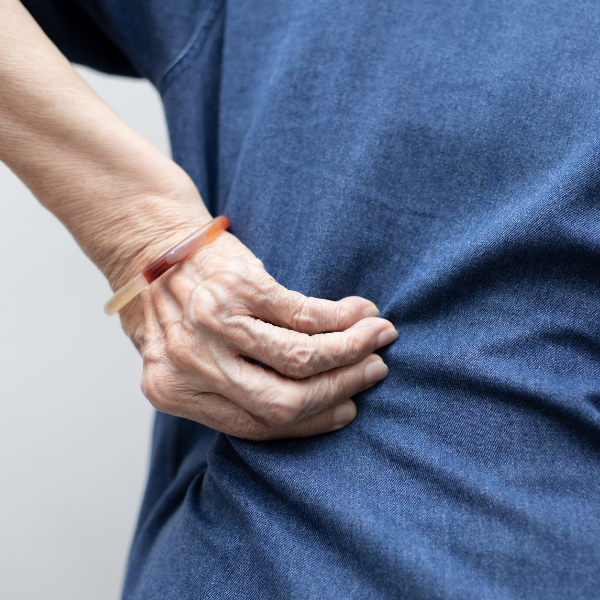
When Lower Back Pain is More Than Just Lower Back Pain: 7 Ways Back Pain Can Be Caused By Something Serious Acute lower back pain is defined as a rapid…

The Possible Benefits of Cupping Therapy in Covid-19 The novel coronavirus pandemic began in 2019, in Wuhan, Hubei province by acute respiratory syndrome coronavirus 2 (SARS-CoV-2). Due to its intensive…