Unlocking Tight Hips: Effective Hip Flexor Pain Treatment in Wellington
Unlocking Tight Hips: Effective Hip Flexor Pain Treatment in Wellington If you spend your day sitting at a desk in
Scoliosis Physiotherapy Wellington | Non-Surgical Treatment Options
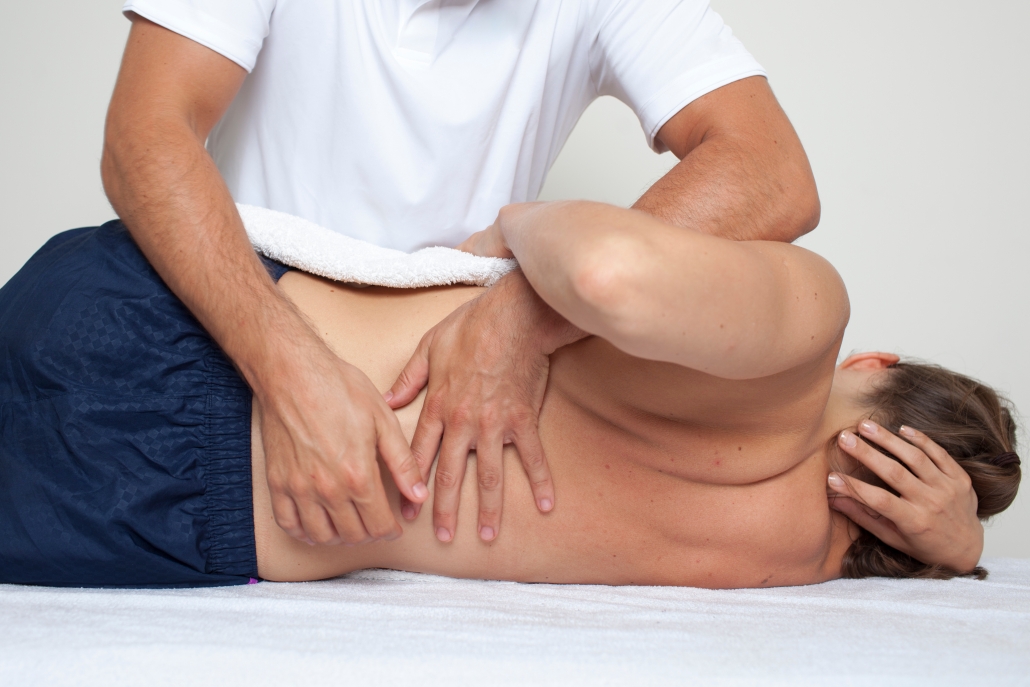
Physiotherapy for Scoliosis In Wellington: What to Expect from Experienced Practitioners
Let’s get one thing straight. If you or your child has been told you have scoliosis, it doesn’t mean you’re broken or destined for a life of pain. It means your spine curves sideways a bit more than it should, and depending on the type and severity, that might need some support. Not surgery. Just support. And that’s where physiotherapy comes in.
Understanding Scoliosis
Your spine naturally curves inward at the neck and lower back and outward around the upper back—like a suspension bridge. These curves help keep us upright, balanced, and shockproof. But scoliosis adds a new twist, a sideways bend, usually shaped like an “S” or “C.” Sometimes, it’s barely noticeable. Other times, it changes how you move, breathe, or even how your clothes fit.
Most people first notice scoliosis in their teenage years, often during a routine checkup or after a parent spots uneven shoulders. It can also appear in adults from degenerative changes or uncorrected scoliosis earlier in life. In sporadic cases, it shows up in infants. Sometimes, it is accidentally picked up while investigating a completely unrelated issue.
Causes of Scoliosis
That’s the million-dollar question. Most cases are called “idiopathic,” which is medical-speak for “we don’t exactly know.” There’s likely a genetic component. Scoliosis can run in families, but it also shows up without warning. Other known causes include:
And yes, scoliosis can be mild, moderate or severe. But more importantly, it’s very manageable. The challenge is knowing what kind of scoliosis you’re dealing with and how quickly it’s likely to progress.
Recognising the Signs of Scoliosis
Some of the more subtle signs include:
Sometimes, there’s back pain, fatigue or even changes in breathing, especially if the curve is severe. But here’s the thing: many people with scoliosis feel perfectly fine. That’s why assessment matters. A slight curve in the spine might not bother you much, but the effects can become more noticeable if it progresses over time.
How Scoliosis Is Diagnosed
Physios and doctors often start with a simple forward bend test, known as the Adam’s test. You’ll bend forward, arms dangling, and we’ll look for asymmetry in your rib cage or spine. If something looks off, we may recommend X-rays to measure what’s called the Cobb angle. This helps determine the curve’s size and whether it changes over time.
We also use scoliometers, postural assessments, and sometimes lung function testing if breathing is affected. The aim is to look at the whole picture—structure, movement, pain, and function. Just as importantly, we take the time to understand how it’s affecting your day-to-day life.
The Role of Physiotherapy in Scoliosis Management
Let me say plainly: a good physiotherapist won’t just throw generic stretches at you. They’ll assess your posture, muscle strength, joint mobility and functional patterns, then craft a plan that works with your body. Here’s what that often includes:
We also pay attention to the little things. Do you feel lopsided when you walk? Are you constantly leaning to one side when sitting on the couch? Does your backpack always slip off the same shoulder? These patterns give us clues and can become part of the solution.
Introduction to the Schroth Method
The Schroth Method is one of the most respected non-surgical treatments for scoliosis. It focuses on three-dimensional correction: sideways shift, rotation, and spinal elongation, all tailored to your curve type.
Exercises include:
This isn’t passive rehab. It’s active, structured, and takes practice. But it works. Studies show Schroth can improve posture, reduce pain, slow curve progression, and even reduce the need for surgery in some cases.
Other Exercise-Based Interventions
While Schroth is the gold standard for structured correction, other movement approaches, such as Pilates, Klapp exercises, and core stabilisation work, can help, too. Especially when tailored by someone who knows scoliosis, just beware of generalised routines. Not all core work is helpful, and some can make things worse.
A trained physio will help you avoid the “just do crunches” trap and instead focus on meaningful strength, flexibility and breath control that supports your spine. And with consistent practice, most people find these exercises make a real difference—not just physically, but mentally too.
When Bracing or Surgery May Be Considered
Braces are usually recommended for adolescents with moderate curves (25 to 45 degrees) while their bones are still growing. The goal is to stop the curve from getting worse. They’re typically worn for 16 to 23 hours daily but can be removed for sport and showering.
Surgery is rare. It’s considered for severe curves (usually over 50 degrees) progressing or affecting lung function. Even then, it’s not the first option. A team approach, including your physio, GP, and spinal specialist, helps you decide what’s best for you.
Living with Scoliosis
Honestly? It depends. Some people barely think about it. Others find it frustrating or exhausting, especially if they’ve been told to “wait and see.” That’s why support matters—physically and emotionally. At Severn Clinics, we don’t just look at the curve on the X-ray for. We look at the person attached to it.
We work with children, teens, and adults to build strength, confidence, and body awareness. We talk about sleep, school bags, sports, and social situations. We help families understand what to expect. When needed, we refer to orthopaedic surgeons or psychologists who specialise in this area.
Scoliosis can be challenging, particularly during rapid growth or significant life changes. That’s why consistency in care is so important. The reassurance that someone is watching your progress can make all the difference.
Importance of Early Intervention
The earlier you catch a curve, the more we can do. It’s not about “fixing” a spine, so it’s perfectly straight. It’s about creating balance, function, and strength so the body works well with the curve. And yes, even adults with long-standing scoliosis can benefit.
Physiotherapy won’t erase scoliosis, but it can:
Conclusion
Scoliosis isn’t something to ignore, but it’s also not something to fear. With early detection, expert care, and the proper support, you or your child can live an active, confident life.
At Severn Clinics, we offer evidence-based scoliosis management tailored to your needs. Whether you’re seeking a second opinion, starting early intervention, or exploring exercises after surgery, we’re here to help.
If you’re curious or concerned about scoliosis, come in for a chat. We’ll take the time to understand your spine and support your journey forward, one breath, one movement, one step at a time.
Unlocking Tight Hips: Effective Hip Flexor Pain Treatment in Wellington If you spend your day sitting at a desk in
Fast Track Your Frozen Shoulder Recovery: Advanced Non-Surgical Treatment in Wellington Fast Track Your Frozen Shoulder Recovery: Advanced Non-Surgical Treatment
Why Your Ankle Sprain Never Fully Healed: Advanced Treatment Options in Wellington Why Your Ankle Sprain Never Fully Healed: Advanced