
 04 385 6446
01 / RELAXATION
Deep relaxation
A quiet, immersive experience that some people find profoundly restful, sometimes resembling the feeling of drifting towards sleep.
Modern research has revealed a profound connection between pain and chronic stress, including the effects of stressors past and present.
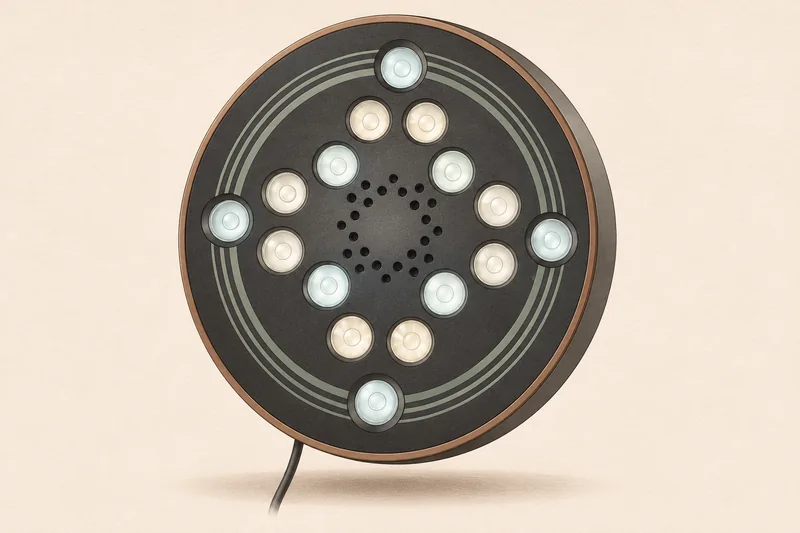
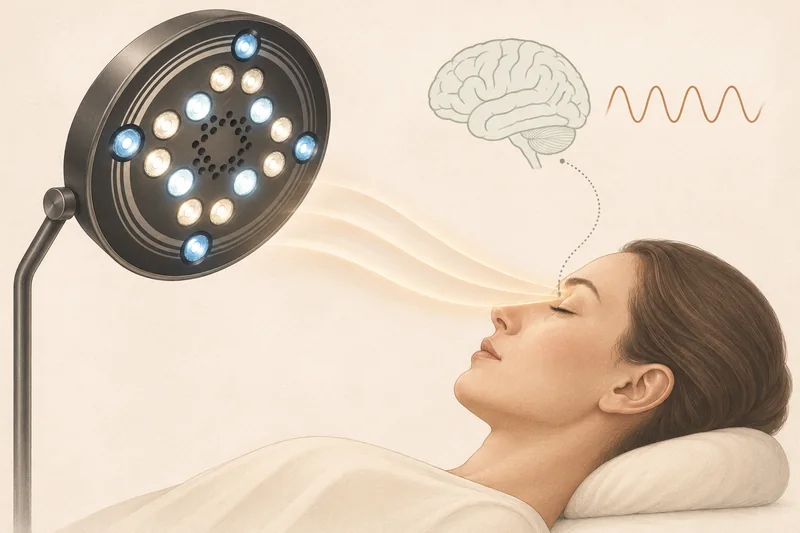
At Severn, we often see people for whom these problems overlap. That's one reason we're interested in roXiva. It uses carefully timed pulses of white light to stimulate the brain through the eyes, and can create an unusually immersive, deeply relaxing experience.
 4.9 · 400+ Google reviews
A quiet, immersive experience that some people find profoundly restful, sometimes resembling the feeling of drifting towards sleep.
Carefully timed pulses of white light create an unusual sensory experience, even with your eyes closed.
You relax in a reclining chair with your eyes closed. The session can be stopped whenever you need.
The brain produces constantly changing patterns of electrical activity. These rhythms, often called brainwaves, vary with alertness, attention and relaxation, and can be measured using an EEG.
When light flashes repeatedly, parts of the brain's visual network respond to its timing. Scientists call this photic driving. Researchers can detect this response on an EEG, showing that an external rhythm can influence the timing of electrical activity in the brain.
One idea behind roXiva is to use changing rhythms of light to encourage a shift towards the kind of brain activity associated with a more relaxed state. The device is designed to create this experience, but whether it produces lasting changes in stress regulation is still being investigated.
At Severn, we've found the relaxation experience valuable in practice. However, much more research is needed before strong claims can be made about the therapeutic effects of this form of stimulation.
One of the things people find most fascinating about roXiva is the range of colours they can see, even though the lamp itself produces only white light. Some describe vivid spirals, shifting shapes or intricate geometric patterns behind their closed eyelids.
The machine isn't projecting those pictures. The brain is creating them in response to the rhythmic flashes.
Scientists have studied these flicker-induced visual phenomena for decades. The way nerve cells excite and inhibit one another, and the neurotransmitters they use to communicate, are thought to play a part. But there is still a great deal we don't understand about why particular patterns appear or why experiences vary so widely between people.
The shifting colours are a striking reminder of how sensitive and responsive the brain can be. Whether they reflect any wider, lasting recalibration of the nervous system remains unknown.
Several networks deep within the brain help us process emotion, memory, threat and stress. These are often described collectively as the limbic system.
The amygdala, for example, helps us recognise what might be threatening and decide what deserves our attention. These same networks also influence the emotional experience of pain: how alarming it feels, how much attention it demands and how difficult it is to ignore.
When stress is prolonged, those responses may become more sensitive. Pain can then add to the stress, creating a difficult cycle.
This doesn't mean pain is imaginary or that every painful condition begins in the mind. It means the state of the nervous system is one part of the picture, alongside the physical causes of pain.
After more than twenty years of treating people with pain, Severn founder Tobias Hall had noticed something that modern research has also brought into sharper focus. Many of the people struggling most with persistent pain were also living with extraordinarily high levels of stress.
Then, while taking some time for himself at Aroha Retreat near Glenorchy, Tobias happened to try light stimulation. He experienced a remarkable depth of relaxation. This was followed by a sense of calm that stayed with him well after the session. Even after twenty years of meditation practice, the experience stood out.
It prompted him to investigate the technology and bring a roXiva RX1 to Severn.
Since then, his clinical observations have strengthened his interest in its possible role alongside physical treatment, particularly when stress and pain overlap. He has seen people find the relaxation experience valuable. Those observations matter to his clinical thinking, although they do not establish roXiva as a treatment for pain or any other medical condition.

Not every painful problem calls for a relaxation-based approach. Sometimes the priority is a clear physical assessment, hands-on treatment or rehabilitation.
But when pain exists alongside poor sleep, persistent stress or the feeling that you simply cannot switch off, the wider nervous-system picture may deserve attention too.
Tobias doesn't offer roXiva as a treatment for any particular medical condition. Research into brainwave entrainment and pain management is still unsettled. Instead, he offers it as a relaxation experience for people who are suitable after screening, in the hope that easing stress may make their wider journey towards pain relief and recovery smoother.
It does not replace investigating the cause of pain or providing appropriate treatment.
After screening and a short explanation, you settle into a comfortable, semi-reclined chair. We position the lamp and give you headphones. You close your eyes and relaxing music begins.
The lamp then delivers a programmed sequence of flashing white light. Although your eyes are closed, you can still see the light through your eyelids.
As the sequence changes, you may notice colours, shapes or moving patterns. Some people describe drifting into a dreamlike state, almost as if they had fallen asleep. Others remain fully alert. Both are normal variations in the experience.
At first, the light can occasionally feel intense or unsettling. If you're uncomfortable, you can use the buzzer to ask us to stop the session.
The experience lasts about 30 minutes. Afterwards, we give you a moment to settle and ask how it felt. There is no particular sensation you need to achieve, and no need to see colours for the session to be worthwhile as an experience.
Take a look around our Wellington clinic and get a feel for the treatment environment.
Watch Our Clinic Introduction →

BHSc (Paramedicine) · EMT · Sports Therapy

Doctor of Physiotherapy · NZPA
No. roXiva uses rhythmic flashes of white light to create a sensory experience. It is different from the therapeutic lasers we use in musculoskeletal care.
Not at all. You simply recline, close your eyes and listen to the music. There is no technique to master.
That's perfectly possible. People respond differently to rhythmic light, and vivid colours aren't a measure of health improvement.
Yes. The clinic's session setup includes a buzzer so you can request that the experience stops if you feel uncomfortable.
Yes. Flashing light is unsuitable for some people and can trigger seizures in susceptible individuals. Screening of relevant health history, medication and other risk factors is essential before a session.
It is not an established treatment for chronic pain. Our interest is in whether the relaxation experience can help people manage stress alongside appropriate clinical care and support their wider sense of wellbeing.
If stress and pain have become difficult to separate, or you're curious about the experience of deep relaxation, talk to us at Severn Clinics in Wellington. We can explain what roXiva involves and whether it is appropriate for you.