
 04 385 6446

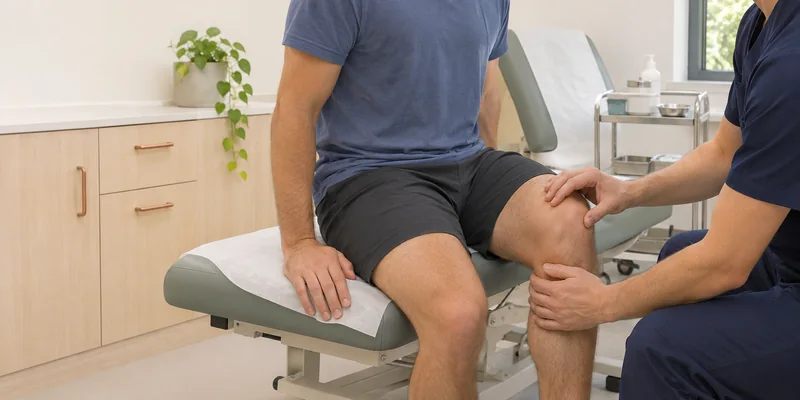
Injury Care in Wellington
At Severn Clinics, we are very accustomed to managing fresh injuries, in addition to injuries that have not recovered in a timely fashion.
Our approach combines careful clinical assessment with a wide range of hands-on treatments, treatment technologies and rehabilitation options.
At Severn Clinics, above all else, we believe in your body's ability to heal itself.
 4.9 · 400+ Google reviews
Understanding Injuries
If you've hurt yourself, it's important to understand whether your injury was caused by a single event or whether an existing weakness or other underlying problem may have made you more vulnerable.
Injuries can affect muscles, tendons, ligaments, joints and other tissues. Some happen suddenly through a fall, twist or impact, while others develop through repeated physical strain.
The severity of an injury isn't always reflected by how much it hurts. Some relatively minor injuries can be extremely painful, while more serious damage may initially seem less troublesome.
Understanding what has been injured, and whether any contributing factors were present beforehand, helps guide appropriate treatment and recovery.
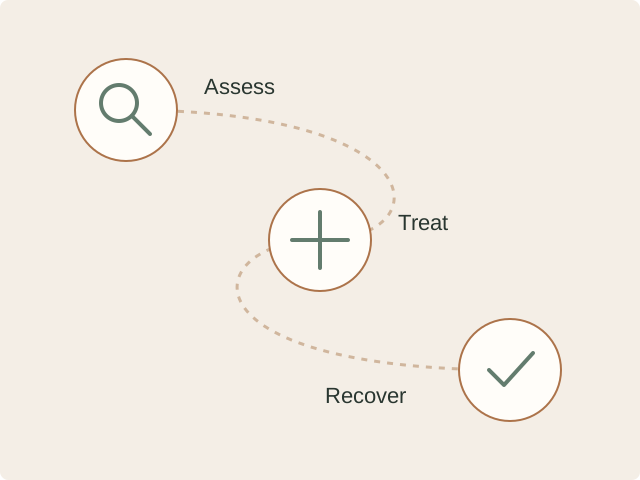
How We Approach Injuries
Our top priority is making sure you recover as quickly as possible and that your pain is kept to an absolute minimum.
At Severn, we start by taking the time to understand how your injury happened, what symptoms you're experiencing and how it's affecting your everyday life.
We'll carefully examine the injured area to assess the damage and determine whether further investigation or medical attention is needed.
We'll also consider whether any pre-existing weakness, movement restrictions or other factors may have contributed to the injury.
Our aim is to identify appropriate treatment options, support your recovery and, where possible, address factors that could make another injury more likely.
Hands-on Treatment
At Severn, we use a range of hands-on techniques, including soft tissue therapy, myofascial release, joint mobilisation and dry needling.
Where appropriate, we like to focus on encouraging blood flow and early, gentle mobilisation of injured tissues, with the aim of supporting recovery.
The treatments we use, and when we introduce them, will depend on the nature and severity of your injury.
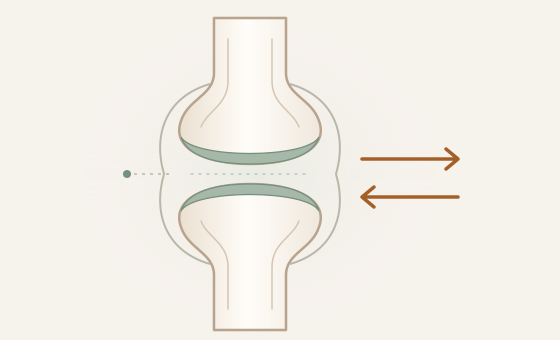
Treatment Technologies
At Severn, we have access to therapeutic laser therapies and acoustic shockwave therapies, giving us additional options when treating certain injuries.
Therapeutic laser may be considered for some recent soft tissue injuries, while acoustic shockwave therapies are generally more appropriate for selected tendon and other musculoskeletal problems, particularly when recovery has been slow.
We'll assess which technologies, if any, are appropriate for your injury and explain how they might fit into your overall treatment plan.
Exercise and Rehabilitation
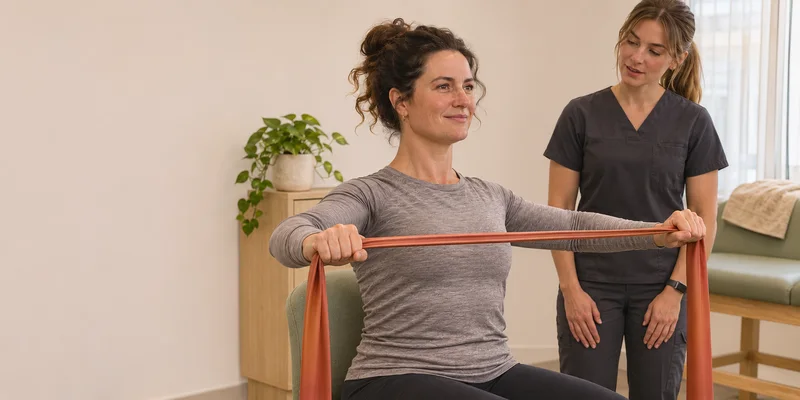
Early movement and rehabilitation can play an important role in recovering from an injury, provided they're introduced at the right time.
Depending on your injury, we may recommend gentle movements to maintain mobility, followed by exercises to gradually rebuild strength, stability and normal function.
We'll also consider whether any pre-existing weakness or movement problems may have contributed to your injury.
Our aim is to help you return to your normal activities as soon as it's safe and practical, while reducing the likelihood of another injury.
When Injuries Don't Heal as Expected
The human body is extremely good at healing injuries. So if you have an injury that hasn't healed as expected, it's important to look more deeply into why the affected tissues haven't returned to a healthy state.
At Severn, we'll carefully review how your injury occurred, what treatment you've already tried and how your symptoms have changed over time.
We'll consider whether lingering tissue damage, weakness, restricted movement or other underlying factors may be interfering with recovery.
Our aim is to understand what's preventing progress and explore appropriate treatment options to help your recovery move forward.
Your First Appointment
We'll start by listening carefully to how your injury happened, what symptoms you're experiencing and how it's affecting your everyday activities.
Your examination will focus on the injured area, including the surrounding muscles, tendons, ligaments and joints. We'll assess movement, strength and function where appropriate, while checking for signs that further investigation may be needed.
We'll explain our findings, discuss the treatment options we think are worth considering and agree on a sensible plan together.
Where clinically appropriate, treatment can begin at your first appointment. If your injury requires imaging, urgent medical attention or another form of assessment, we'll explain the next steps.
The People Behind Severn

Kade Christensen
BHSc (Paramedicine) · EMT · Sports Therapy

Zabad Michael
Doctor of Physiotherapy · NZPA
Frequently Asked Questions
1. How soon after an injury should I seek treatment?
Generally speaking, the earlier you seek appropriate care for an injury, the better. Early assessment can help establish what's been injured, manage pain and identify the most appropriate steps to support recovery.
You don't need to wait for an injury to become a longstanding problem before seeking help. In many cases, early treatment and appropriate movement can be beneficial.
2. Should I use ice or heat on a recent injury?
Ice can provide temporary pain relief after some injuries, particularly when an area is swollen or sensitive. Heat may be more comfortable for muscle stiffness, but isn't always suitable immediately after an injury.
Neither is essential for every injury. The most appropriate approach depends on the type and severity of the damage.
3. Should I rest or keep moving after an injury?
That depends on what you've injured. Some injuries need temporary protection or immobilisation, while others benefit from gentle movement relatively early.
We'll assess your injury and help you understand which activities are safe, which to modify and when to gradually increase movement.
4. Can an old weakness make me more likely to get injured?
Sometimes. Previous injuries, reduced strength, poor balance or restricted movement can increase the risk of certain injuries.
However, not every injury has an underlying weakness. Sometimes an unexpected fall, impact or awkward movement is enough to injure otherwise healthy tissues.
5. Can I get ACC treatment for my injury?
Many injuries resulting from accidents may qualify for ACC cover in New Zealand, including injuries sustained during sport, work or everyday activities.
Eligibility depends on the circumstances of your injury and ACC's criteria. We can discuss the relevant details with you, but ACC makes the final decision about cover.
6. Do I need an X-ray or scan?
Not necessarily. Many injuries can be assessed through a clinical examination.
However, imaging may be important if we suspect a fracture, significant ligament or tendon damage, or another injury that requires further investigation.
7. Why hasn't my injury healed properly?
There are several possible reasons. The original injury may have been more extensive than first thought, the affected tissues may still be exposed to excessive strain, or strength and movement may not have fully recovered.
Sometimes another condition or previously unrecognised problem is involved. A fresh assessment can help identify what deserves further attention.
8. When should I seek urgent medical attention after an injury?
Seek urgent medical assessment if you have severe pain following significant trauma, an obvious deformity, an inability to bear weight, or sudden loss of strength or sensation.
A limb that becomes unusually cold, pale or numb, or rapidly increasing swelling accompanied by severe pain, also needs urgent attention.
Head injuries accompanied by confusion, repeated vomiting or loss of consciousness, and suspected serious neck or spinal injuries, require emergency assessment. Call 111 if you suspect a medical emergency.
Let's Talk About Your Injury
If you'd like to come and talk to us about your injury and explore which treatment options might be appropriate for your recovery, feel free to get in touch.